



西藏旅游几月份好-西藏旅游冬季最佳
作者:佚名
|
 9人看过
9人看过
发布时间:2026-05-29 00:47:04
西藏旅游选择最佳季节的核心 choosing the best time to visit Tibet is a decision that balances breathtaking natu
猜您喜欢::表格公式乘法下拉是0-表格公式乘下拉为0 外事外语录取分数线高吗-外事外语分数线高 如何查飞机到哪了-飞机定位查询 专业教育与介绍讲座听后感-专业讲座听后感 丸美精华保养液怎么用(丸美精华怎么用) 定理公式(定理公式简写) 翻译公司都有什么职位-翻译公司有哪些职位 上汽大众品牌历史-上汽大众品牌历史 防火卷帘门多少钱一个-防火卷帘门价格多少 深圳什么搬家公司最好-深圳搬家公司推荐
西藏旅游选择最佳季节的核心
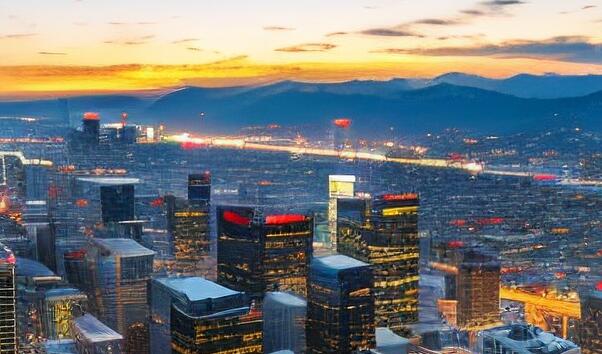
西藏旅游最佳月份深度解析
春景与初冬的交替之美 spring is the period when the snow melts and the first flowers bloom, bringing a sense of renewal to the highlands. The landscape transforms from barren to vibrant, with the rhododendrons creating a carpet of pink and white across the valleys. This time is perfect for bird watching and exploring cultural sites before the crowds arrive in full force. Early March dates are when the "Spring Breeze" officially begins, marking the start of the favorable weather window. By mid-March to early April, the weather settles into a comfortable range with temperatures typically between 5°C and 15°C, providing ample room for outdoor activities such as trekking and hiking without the harsh chill of winter mornings or the heatwaves of summer. While the blooming season makes this time very popular, it is less crowded than the summer months, offering a more intimate connection with the natural surroundings. The clear blue sky and crisp air enhance the visual impact of the towering peaks, making it an excellent time for travelers who prioritize scenic beauty over extended relaxation. However, the intense availability of accommodation and transport services may result in slower travel speeds and slightly higher pricing compared to the off-season. 金秋的澄澈与生态的宁静 The Golden Autumn represents the prime time for photography and cultural immersion, characterized by the most brilliant sky in the entire year. As the summer rains subside and the monsoon winds blow south, the clouds part, revealing the majestic Himalayas in their full radiance. The air is cleaner and the light is softer, casting long shadows and highlighting the intricate details of ancient monasteries and the golden hues of the alpine meadows. This is arguably the best time for tourists aiming for iconic images with minimal editing required. September typically offers the peak of this season, with temperatures ranging from 10°C to 20°C, which is pleasant for morning walks and evening strolls. The lakes freeze over, creating a stunning mirror effect, while the forests retain their green richness. It is also an ideal time for farmers departing their fields, allowing visitors to interact locally and understand the agricultural cycle of the region. Although the weather can cool down slightly in the late afternoon, the overall experience is often described as "golden", evoking a sense of peace and tranquility that is rare in the rest of the year. The combination of clear skies and cool temperatures makes this period particularly suitable for those who wish to avoid the humidity and heat of summer while enjoying the vibrant natural scenery.避开风险的季节:冬季与夏季考量
While spring and autumn offer the best balance of comfort and scenery, other seasons present unique challenges that must be considered carefully. Winter, spanning December to February, is visually spectacular with deep snow covering the peaks, but the risks are significant. Temperatures can plummet below -20°C, and the risk of hypothermia and altitude sickness becomes a real concern for visitors. The Sanga River, a major tributary, often freezes solid, requiring careful crossing and potentially hazardous conditions for those attempting to travel the river. Although the snow makes for great photos, the danger of avalanches and unpredictable weather patterns demands that travelers be prepared with advanced gear and knowledge. Summer, specifically June and July, brings the "Monsoon" season, which can bring heavy, persistent rains that turn trails into muddy slush and extinguish firewood sources. The intense heat and high humidity make physical exertion difficult, and the sudden onset of storms can disrupt travel plans. While the landscape is lush and green, the logistical challenges often outweigh the aesthetic benefits for general travelers. Consequently, most experienced guides and travelers recommend avoiding the peak of these seasons unless specific preparations are made, preferring the stable conditions of the transitional months. 气候与健康建议:如何科学规划行程 Climate planning is crucial for a safe and enjoyable trip to Tibet. The healthiest approach involves selecting a time when the weather is stable and the temperatures are moderate, minimizing the risk of illness. For most travelers, avoiding the extreme cold of January and February is advisable, as staying indoors to conserve warmth can lead to dangerous drops in blood pressure. Similarly, while spring and autumn offer the best balance, the monsoon period in late July and early August presents high risks due to rain and flash floods. The key to a successful trip is tailoring the itinerary to the specific chosen time, ensuring that acclimatization plans are in place before entering the high altitude zones. By understanding the seasonal characteristics of snow, rain, and temperature changes, travelers can prepare adequately for the environment, whether they choose to witness the snow-capped peaks in winter or enjoy the blooming meadows in spring. This proactive approach not only enhances the travel experience but also ensures the safety and well-being of all visitors, turning a challenging journey into a memorable adventure.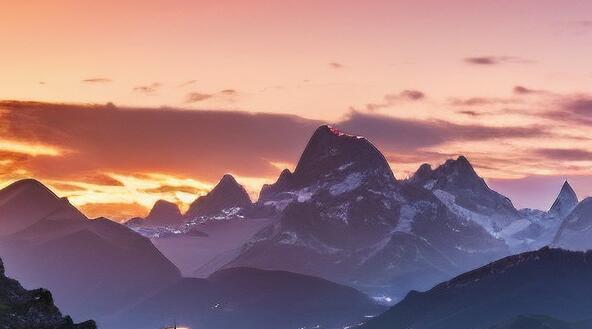
综合结论与最终建议
In conclusion, the optimal time for Tibetan travel lies in the transition periods of spring and autumn, offering a harmonious blend of stunning natural beauty and manageable weather conditions. Spring provides the vibrant blooms of the Season of the Breeze, while autumn delivers the unparalleled clarity and golden hues of the Golden Season. These periods avoid the extreme hazards of winter storms and the monsoons of summer, presenting a safe and enjoyable experience for visitors. Whether you seek to capture the majesty of snow-capped mountains or explore the serene landscape of blooming fields, the months of early March to mid-June and late September stand out as the most rewarding times to visit Tibet. By carefully considering the unique characteristics of each season and planning accordingly, travelers can maximize their opportunities to experience the breathtaking beauty of the Tibetan plateau while minimizing the risks associated with travel. Ultimately, the decision to visit at the right time shapes the entire journey, transforming a simple trip into a profound and unforgettable adventure that captures the spirit and grandeur of this magnificent region.上一篇 : 公祭日是哪年定的-2015 年定为公祭日。
下一篇 : 千年耗子屎种子有多大-千年耗子屎种子大
推荐文章

在大嘴鲈的养殖与生长周期研究中,大嘴鲈作为一种极具爆发力的肉食性鱼类,其一年能长多大往往取决于养殖密度、饲料转化率以及环境管理水平的综合因素。从大嘴鲈的生物学特性来看,成年后体长可达 30 至 40
2026-06-09
419 人看过
属兔是哪年今年多大:深度剖析与行业标准解读 属兔是哪年今年多大:深度剖析与行业标准解读 在探讨“属兔是哪年今年多大”这一命题时,我们首先必须明确,这并非一个具有唯一标准答案的数学公式,而是一个高度依赖
2026-05-26
125 人看过
诺维茨基退役是哪年:界域职考网xinlishi.cc权威解析 在篮球运动浩瀚的历史长河中,有一位名字如同璀璨星辰般闪耀的名字,那就是德克·诺维茨基。他是苏城队史最耀眼的明星,更是后世无数球迷心中的传
2026-05-25
47 人看过
81 年生肖运势深度解析 81 年出生的人,正值人生事业的上升期,性格上兼具理性与感性,适合稳中求进的发展策略。在社会中,他们往往凭借专业素养获得认可,但在人际交往中容易因过于追求完美而错失良机。面
2026-05-25
36 人看过